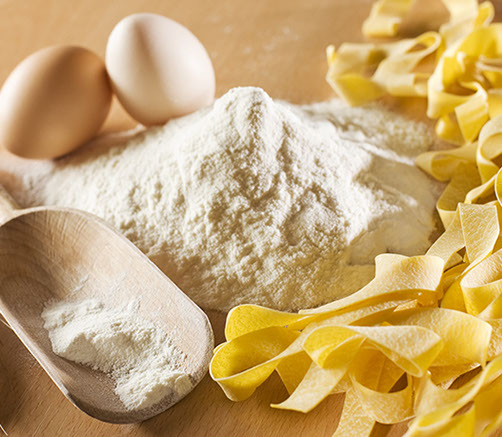
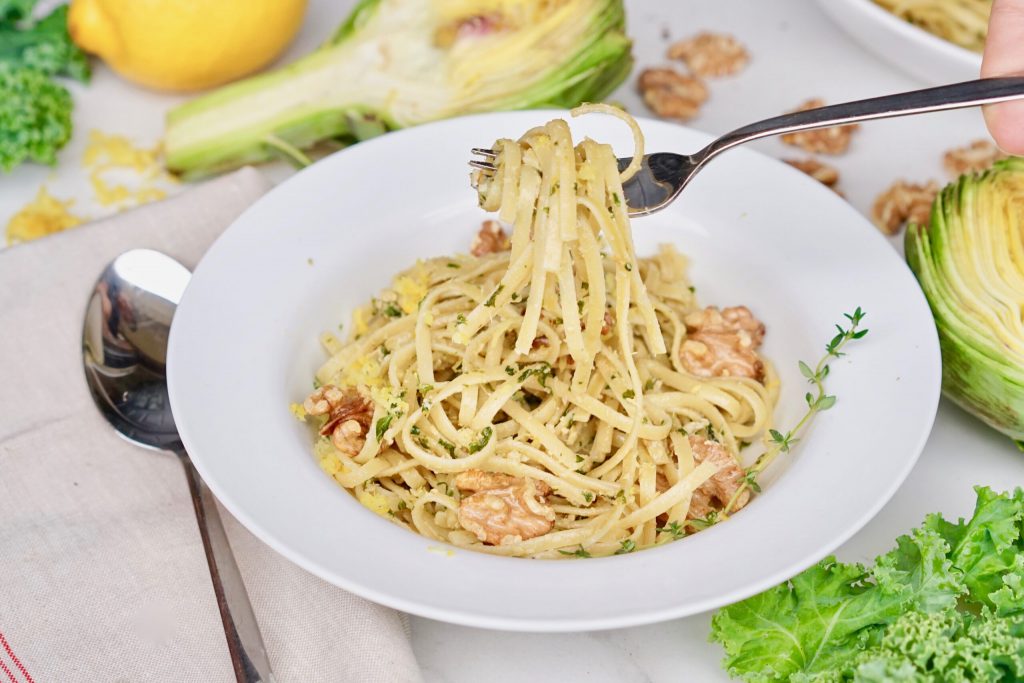
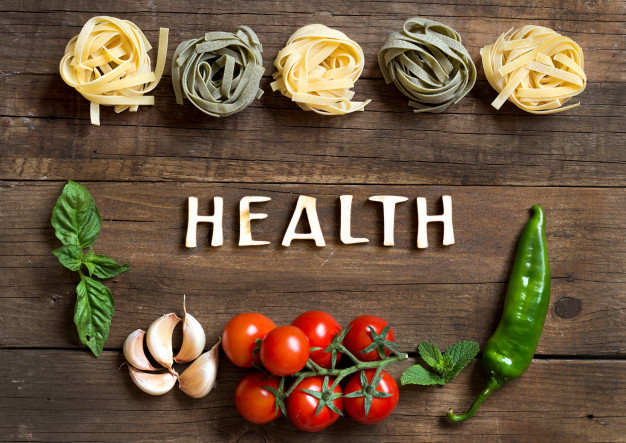
Pasta is perfectly in line with the nutritional needs of the modern family. It is easy to make and can be enriched with a variety of household ingredients such as meat, milk, cheese, legumes and tahini. After all, pasta has always been one of the favorite flavors of young and old, while at the same time it is an inexhaustible source of inspiration with variations.
Whole-wheat pasta, which is the basis of the Mediterranean diet, together with bread, rice, potatoes and corn, constitutes the main group of complex carbohydrates. Complex carbohydrates are metabolized, assimilated and digested more slowly than simple carbohydrates found in sweets and fruits. Pasta is recommended as a staple food for humans, for all ages, even on the strictest diets, because it contains few calories (approximately 130 calories per 100 g of cooked quantity) and since carbohydrates should cover 50-55% of the total daily energy intake.
Pasta is a food that should be consumed with caution and moderation by diabetics and those with high cholesterol and triglyceride levels. In addition, it is contraindicated in diets for people with gluten intolerance. For this reason, we must pay attention to the nutritional elements of the pasta we choose, in order to maximize the benefits for our body, depending on our needs.
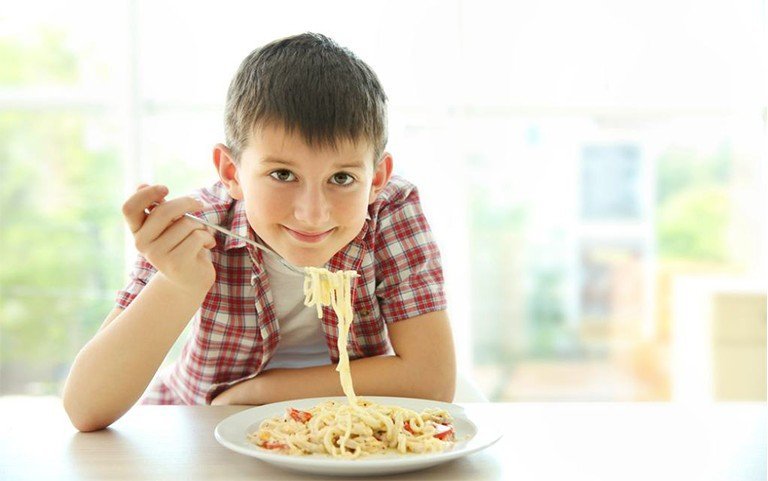
The nutrients and fiber contained in pasta are essential for the proper development of children, while their soft and easily digestible form makes them an easy and healthy food even for very young children. And let's not forget that pasta gives us the opportunity to have fun at the dinner table with the many different shapes and colors they have, but also with their endless combinations with colorful sauces, vegetables and other ingredients.
Αυτός ο ιστότοπος χρησιμοποιεί cookies
Χρησιμοποιούμε cookies για την εξατομίκευση περιεχομένου και διαφημίσεων, για την παροχή λειτουργιών κοινωνικών μέσων και για την ανάλυση της επισκεψιμότητάς μας. Κοινοποιούμε επίσης πληροφορίες σχετικά με τη χρήση του ιστότοπού μας από εσάς στους συνεργάτες μας στα μέσα κοινωνικής δικτύωσης, τη διαφήμιση και την ανάλυση, οι οποίοι ενδέχεται να τις συνδυάσουν με άλλες πληροφορίες που τους έχετε παράσχει ή που έχουν συλλέξει οι ίδιοι από τη χρήση των υπηρεσιών τους από εσάς.
Τα cookies είναι μικρά αρχεία κειμένου που μπορούν να χρησιμοποιηθούν από ιστότοπους για να κάνουν την εμπειρία ενός χρήστη πιο αποτελεσματική.
Ο νόμος ορίζει ότι μπορούμε να αποθηκεύσουμε cookies στη συσκευή σας εάν είναι απολύτως απαραίτητα για τη λειτουργία αυτού του ιστότοπου. Για όλους τους άλλους τύπους cookies χρειαζόμαστε την άδειά σας. Αυτό σημαίνει ότι τα cookies που κατηγοριοποιούνται ως απαραίτητα, υποβάλλονται σε επεξεργασία βάσει του άρθρου 6 (1) (στ) του GDPR. Όλα τα άλλα cookies, δηλαδή αυτά από τις κατηγορίες προτιμήσεις και μάρκετινγκ, υποβάλλονται σε επεξεργασία βάσει του άρθρου 6 (1) (α) του GDPR.
Αυτός ο ιστότοπος χρησιμοποιεί διαφορετικούς τύπους cookies. Ορισμένα cookies τοποθετούνται από υπηρεσίες τρίτων που εμφανίζονται στις σελίδες μας.
Μπορείτε ανά πάσα στιγμή να αλλάξετε ή να αποσύρετε τη συγκατάθεσή σας από τη Δήλωση Cookie στον ιστότοπό μας.
Μάθετε περισσότερα για το ποιοι είμαστε, πώς μπορείτε να επικοινωνήσετε μαζί μας και πώς επεξεργαζόμαστε τα προσωπικά δεδομένα στην Πολιτική Απορρήτου μας.
Παρακαλούμε να δηλώσετε τον αριθμό συγκατάθεσής σας και την ημερομηνία όταν επικοινωνείτε μαζί μας σχετικά με τη συγκατάθεσή σας.